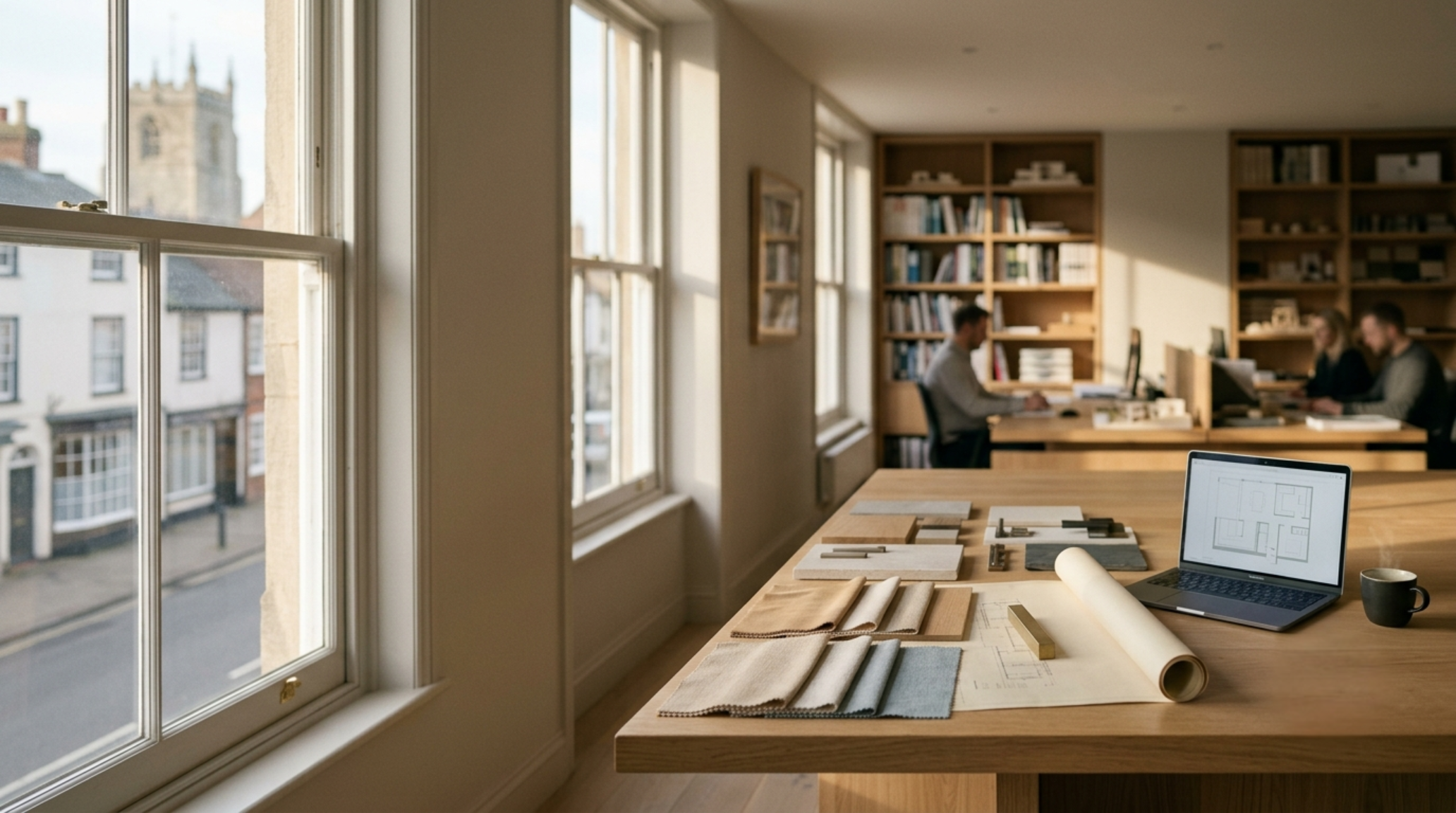
Operational software for design and construction professionals.
DesignFlowOS helps architecture, interior design and project delivery teams structure information, run their practice, monitor live projects and use AI — without losing professional judgement. Systemise the admin. Never the craft.
The work is connected.
The tools usually are not.
Design work, site work and project reporting all depend on the same thing: reliable information moving to the right place at the right time. But in most practices, that information is scattered across folders, inboxes, spreadsheets, WhatsApp, drawings, site notes and people's heads.
Start where the problem is.
Add the next layer when you need it.
DesignFlowOS is built on a simple conviction: the work that needs your judgement should have all of it, and everything else should be structured enough to move without constant chasing. Not by replacing you — by giving your practice a structure to hold its information, a system that runs when you step back, and intelligence woven through both, so the admin that never needed you simply stops landing on your desk.
Systemise the admin. Never the craft. The judgement stays yours. The design stays yours. What leaves is the work that anyone — or any well-built system — could have done, so the part that only you can do gets all of you.
One system, from how you name a folder
to how you close out a job.
Structure your information so it can be found and read. Your standards feed the studio, the work moves through delivery and site, and intelligence runs beneath all of it — connecting your folders and inbox, handling approvals, procurement and the admin, feeding it back into your studio's system. The products connect because the work connects.
And the system is a loop, not a line. Issued drawings flow back automatically. On site, what you notice is captured and carried home. And when you're delivering a project, the same intelligence reads what's moving and tells you what matters. One connected system — because the work was always connected.
If your practice can’t run without you, you don’t have a practice. You have a job.
The most skilled person in the studio shouldn’t be the one the whole thing depends on. When everything lives in your head and your inbox, stepping away isn’t rest — it’s risk. A practice should hold together whether or not you’re in the room.
for the work behind design and construction.
Each one stands alone.
Together they hold the whole practice.
Folder Structure Guide
The information structure your whole practice can stand on — so everything can be found, read, and built on.
Studio OS
Projects, approvals, procurement, FF&E, decisions and knowledge, in one place that keeps moving when you step back.
DesignFlow AI
90+ specialists across the design stages, plus automation that connects your folders, email and Studio OS.
Dolemai
Connect your live project folders and inboxes. See what changed, track cost, programme and risk, and draw client-ready reports from the same evidence.
Counsel
AI-assisted document drafting for architects — feasibility, design and access, planning and heritage statements, grounded in UK planning policy.
SnagFlow
Defects, observations and site visits — pinned, recorded, and ready to resolve back at the office.
The system improves as the work moves.
Each layer makes the next more valuable — and the better your information moves, the more every part gives back. One connected system, improving as you work.
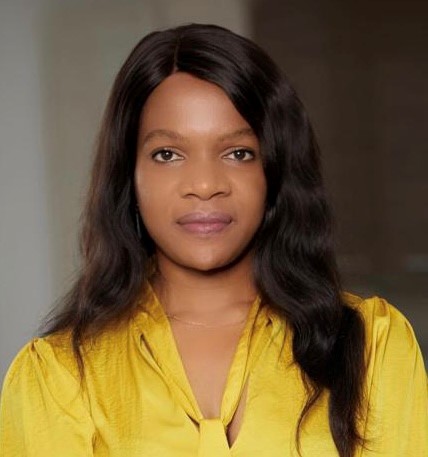
I'm building this as someone who does the work — not just someone who builds software for it.
I trained as an architect, and I still am one. Over time the work expanded, and I moved into project management — but the two have never separated. Architecture taught me to hold complexity, to see how one decision ripples across brief, structure, programme and cost. Project management taught me to turn that complexity into decisions and movement. I sit in both worlds, and I always have.
That's also how I came to see the same problem everywhere I looked. Whether a studio is designing a building or a project manager is delivering one, the most skilled people spend a startling amount of their time on work that doesn't need their skill — assembling, chasing, copying, reconciling, keeping scattered information in their heads because nothing else was holding it.
DesignFlowOS is what I've built in response. One connected system for how design and construction practices actually work — from how you structure a folder to how you advise a client on site — with intelligence running through all of it, doing the work that never needed a professional, so the professional is free for the work that does.
I'm building it as someone who does this work, not just someone who builds software for it. That's the whole point.
public-sector programmes, and complex project delivery
A practice that holds together
whether or not you're in the room.
Your information has a home, your studio keeps moving, and your attention goes to the work you actually trained for. The craft stays human. The judgement stays human. The rest has a system.